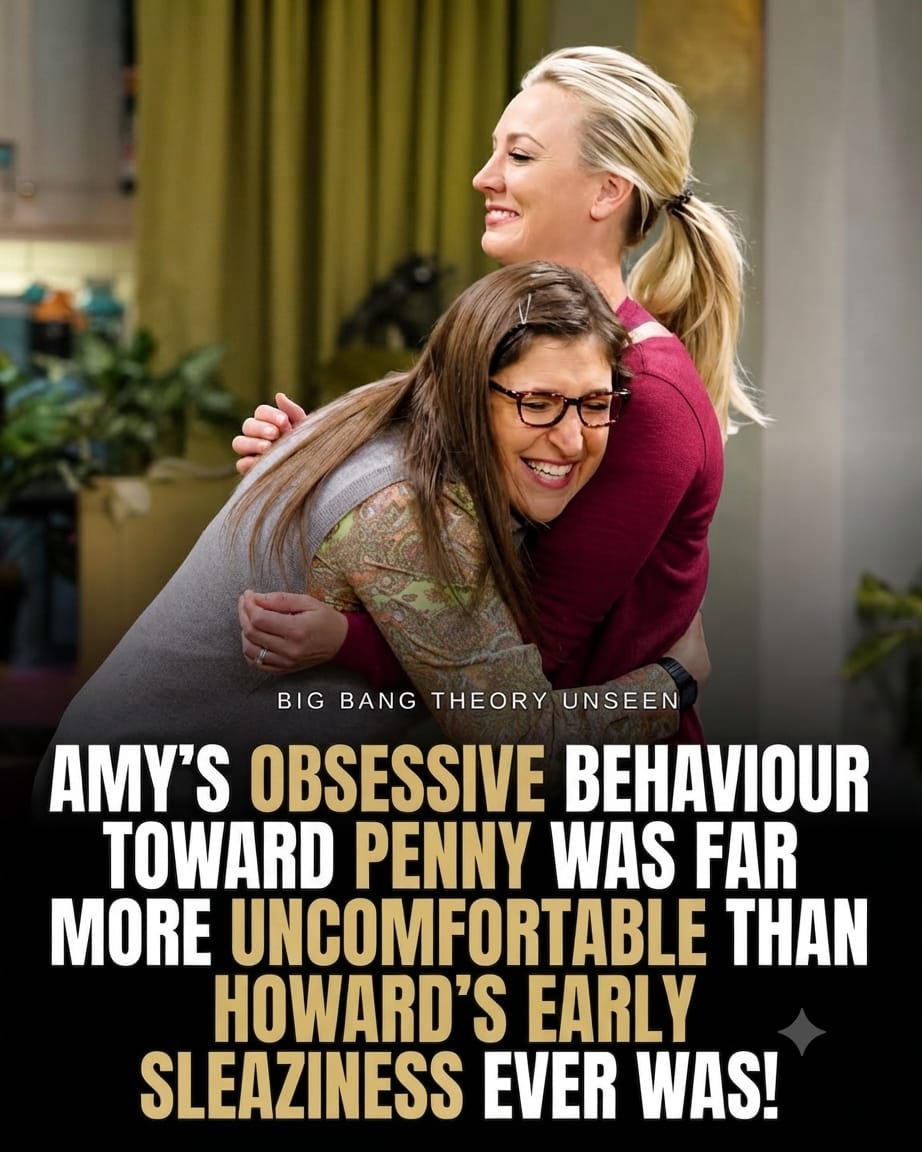
Few sitcoms generate as much discussion years after their finale as The Big Bang Theory. While the show's humor, characters, and memorable storylines remain popular with audiences, some fans continue to revisit certain character dynamics with a more critical eye.
One of the most frequently discussed debates centers on two characters: Howard Wolowitz and Amy Farrah Fowler.
The conversation isn't necessarily about which character behaved worse. Instead, it's about how differently the show responded to their behavior and whether those differences reveal a notable double standard.
Howard Wolowitz's Early Behavior Was Constantly Criticized
When The Big Bang Theory began, Howard Wolowitz was often portrayed as socially awkward and overly eager when interacting with women.
Many of his attempts at flirting crossed boundaries, leading to uncomfortable situations and frequent rejection.
Importantly, however, the series rarely ignored these actions.
Other characters regularly criticized Howard's behavior. His friends mocked him, women rejected him, and many of his inappropriate comments were treated as evidence of his immaturity rather than something admirable.
The show made it clear that Howard's actions were problematic.
Over time, this criticism became a key part of his character development.
One of the Show's Best Redemption Stories
As the series progressed, Howard underwent one of the most significant transformations in the entire cast.
His relationship with Bernadette helped him mature emotionally and socially. Gradually, he became more respectful, responsible, and self-aware.
By the final seasons, Howard was almost unrecognizable compared to the character introduced in the early episodes.
Many fans consider his evolution one of the strongest examples of long-term character growth in the series.
The important point is that the show acknowledged his flaws and built storylines around overcoming them.
Amy's Friendship With Penny Raised Different Questions
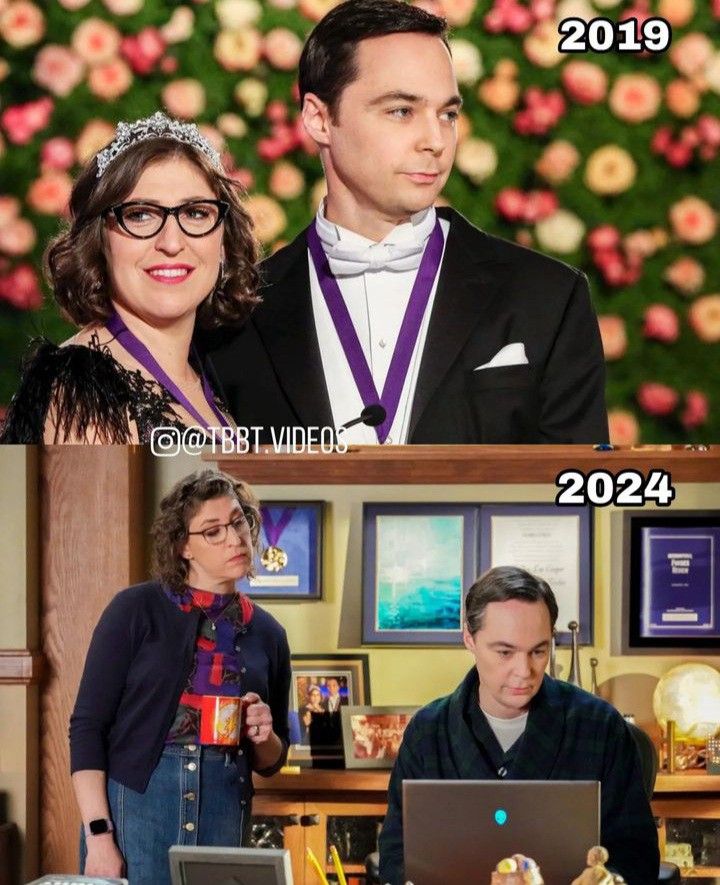
Amy Farrah Fowler became one of the show's most beloved characters after joining the cast.
Her intelligence, awkwardness, and unique personality quickly made her a fan favorite.
However, some viewers have pointed to her friendship with Penny as an area where the series applied a different standard.
Throughout several seasons, Amy displayed an intense admiration for Penny that occasionally crossed personal boundaries.
Her eagerness to spend time together, repeated attempts to strengthen their friendship, and tendency to ignore Penny's discomfort became recurring comedic themes.
Unlike Howard's behavior, however, these moments were usually played entirely for laughs.
Why Some Fans See a Double Standard
The debate arises from how the show framed these situations.
When Howard crossed boundaries, the narrative often highlighted the problem. Characters reacted negatively, and the audience was encouraged to recognize the behavior as inappropriate.
In Amy's case, critics argue that similar boundary issues were frequently treated as harmless comedy.
Penny occasionally expressed discomfort, but the show rarely examined the dynamic in a deeper way or presented Amy's actions as something requiring meaningful change.
For some viewers, this difference in treatment feels inconsistent.
The Gender Discussion
Part of the conversation involves how audiences respond differently depending on the genders involved.
Some fans argue that if a male character had displayed the same level of fixation on a female friend, the behavior might have attracted much stronger criticism from both viewers and writers.
Others disagree, arguing that Amy's intentions were fundamentally different and rooted in social inexperience rather than romantic pursuit or manipulation.
This disagreement is one reason the topic continues generating debate years after the series ended.
Different Characters, Different Contexts
Supporters of the show's approach often point out that Howard and Amy were written to represent very different situations.
Howard's behavior was frequently portrayed as intentional flirting or attempts at romantic success.
Amy's actions, meanwhile, often stemmed from her excitement at finally having a close female friendship after years of social isolation.
From this perspective, the writers may have viewed the two dynamics as fundamentally different rather than comparable.
Even so, some viewers believe the show missed an opportunity to explore Amy's behavior with the same depth it eventually applied to Howard's growth.
Why the Debate Endures
One reason this discussion remains popular is that both Howard and Amy experienced substantial character development throughout the series.
Fans care deeply about the characters and continue analyzing how they were written.
As television audiences become more interested in topics like boundaries, consent, and healthy relationships, older sitcom storylines are often revisited through a modern lens.
That process naturally leads to questions about consistency and fairness in storytelling.



No comments yet